
Many Popular Processed Foods are manufactured by Tobacco Companies, made to be Addictive.
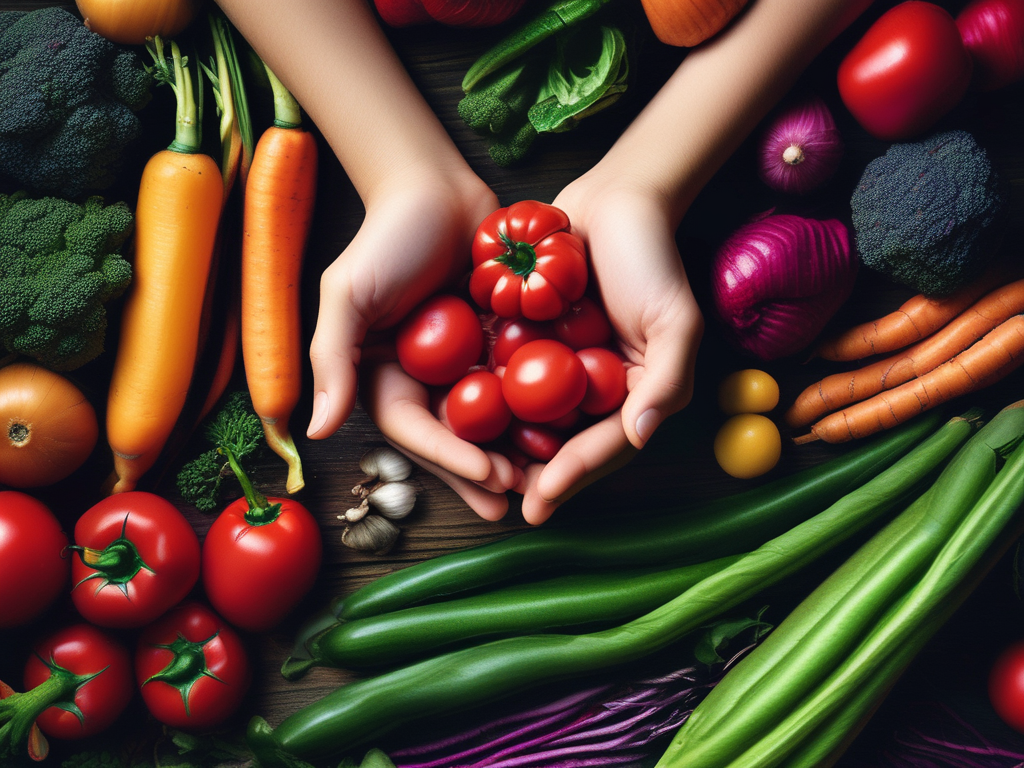
Philip Morris and other tobacco companies like R.J. Reynolds owned and influenced food manufacturers between 1988 and 2001, which may have led to the creation of more “hyperpalatable” foods. These foods are high in fat, sugar, sodium, or carbohydrates, and can be difficult to stop eating. A 2023 study by the University of Kansas found that tobacco-owned foods were more likely to be classified as hyperpalatable than competitors’ foods. The study also suggests that tobacco companies may have used a similar strategy to make processed foods more addictive as they had previously done with cigarettes.
Philip Morris owned Kraft Foods and General Foods, which produced foods like Jell-O, Lunchables, and Kraft Macaroni & Cheese. Philip Morris also owned Nabisco, which made popular snacks like Chips Ahoy, Teddy Grahams, and Ritz crackers.
Do you think these tobacco companies all of a sudden value nutrition? Health? Wellbeing? Mood? Energy? Do you think they take the time, research, and money to included high quality, ethically sourced, safe, beneficial ingredients?
While they are super tasty, and snacks that we grew up with ourselves, Joe and I refuse to let our kids eat things like Cheetos, sugary cereals, even Gold Fish. Of course if it’s a birthday or special occasion, we are OK with certain things in moderation and we don’t discount “sweets” but opt for things like blueberries or apples as the sweet treat instead. We are trying our best to fill their bellies with the most whole foods as possible. But getting in good nutrients is a challenge when we’re surrounded by the Standard American Diet (SAD).
We cook homemade meals as much as we can. We use whole foods, and locally sourced fruits, vegetables, and meat as often as possible. We have the knowledge and resources but our son is 3. He goes through phases of “liking” and “not liking” certain foods. It’s very easy for him to like those “hyperpalatable” foods, and it would be easy for me to just give them to him, but I want to do better.
Why Processed Foods are Bad for our Health
“Heavily processed foods often include unhealthy levels of added sugar, sodium and fat. These ingredients make the food we eat taste better, but too much of them leads to serious health issues like obesity, heart disease, high blood pressure and diabetes“. (source) Not to mention fatigue, low energy levels, bloat, acne, digestive issues, and brain fog.
They’re often full of artificial ingredients, food coloring, and don’t leave room for us to consume nutrient dense food. They’re full of empty calories, often crunchy, making our brains think we’re consuming something hearty, when in fact they’re empty calories. Think about what kinds of natural foods are crunchy. We don’t binge eat a plate of broccoli, right?! (…maybe some of us do…!)
So what to do for a Picky Eater?
“I don’t like that, no thank you” says my 3 year old when I offer him some squash from our garden or local scrambled eggs. The kid would live on yogurt and peanut butter & jelly. But I do manage to get him to consume broccoli, mushrooms, eggs, and whatever other veggies we have going on that week, here’s how.
My Daily Secret to Hidden Veggies in Toddler Meals = Smoothies!
Every morning James gets a chocolate smoothie. It legit taste like dessert…. But it contains a blend of 36 fruits & vegetables thanks to this high quality Daily Greens Blend, (I do 1/2 a scoop) a fried, locally sourced, egg, frozen blueberries, and locally sourced milk (if you know what I mean).
Use your favorite brand of protein or greens and even if you don’t use a protein powder, you can sweeten up those veggie smoothies with low sugar – whole milk – yogurt, berries, avocado, cocoa powder, almond butter, and ice.
The Essential Meal Chocolate Protein we found gives him 10g of protein (a full adult serving would be 24g), and it already has all the healthy fats and nutrients packed in, including Avocado Oil, and a blend of Pea, Hemp Seed, Pumpkin Seed, Quinoa, and Rice Protein. We also love that it’s formulated without artificial colors, flavors or sweeteners; formulated without high fructose corn syrup, dairy or soy and formulated without gluten. Plus, Arbonne, the company who makes it, is a B-Corp (come back and read this later if you don’t know that that means).
Occasionally he’ll request a smoothie later in the day, that’s when I add in things like mushrooms, broccoli, squash, whatever veggie leftovers we have, but not so many that it takes away the chocolate yumminess he’s really looking for.
Prior to feeding him smoothies, he was eating the low sugar fruit flavored oatmeal for breakfast, which we thought was a good choice until learning about all the unnecessary ingredients it has, and really very little nutritional value.
The WAY you serve might make a difference
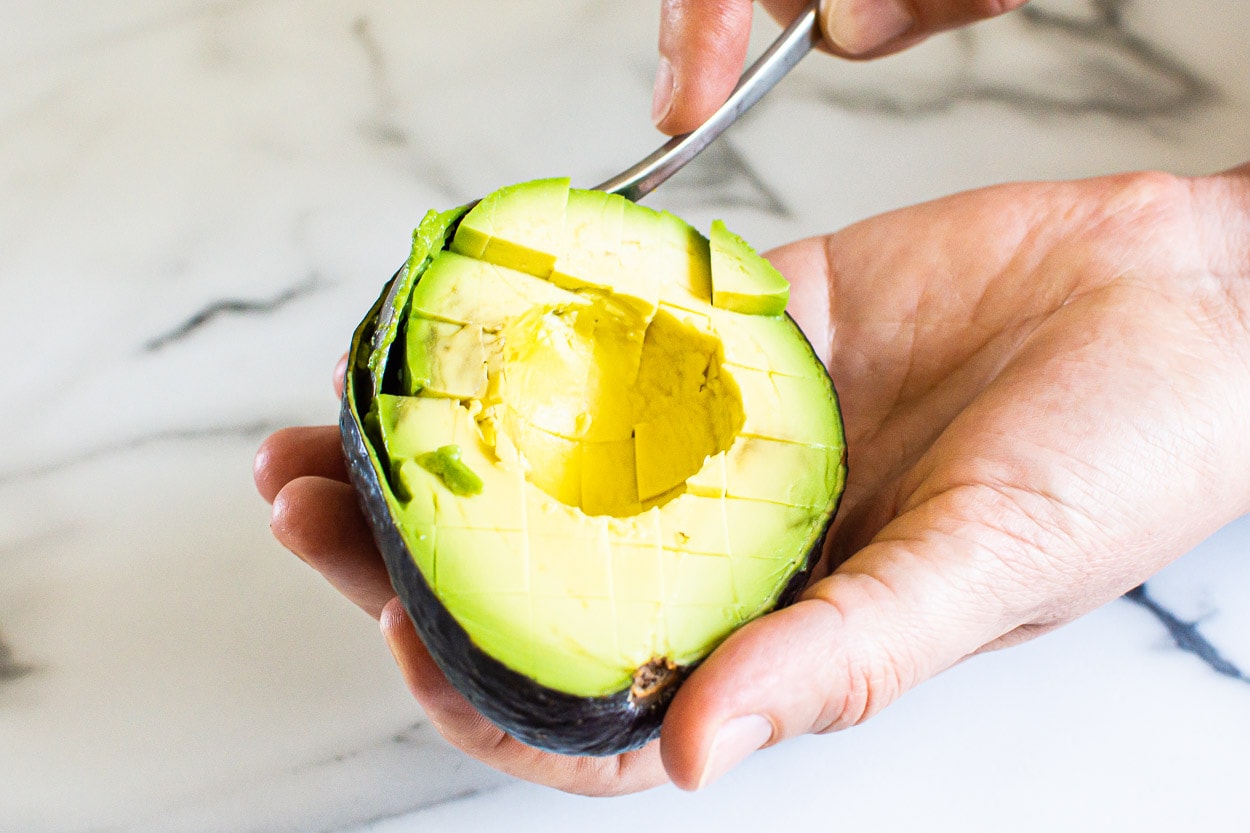
We always eat dinner together at the table, but sometimes I play around with HOW I serve food to my toddler. For example, James loves avocado, but he went through a phase where he stopped eating it. Wouldn’t touch it! But when I served it to him sliced still in the avocado shell, he ate the whole thing!
Another time, he refused chicken and sweet potatoes. But when I fed him by using giant tongs, he ate every bite I gave him!
I don’t know the psychology around it, but experiment with different ways of serving, get creative! Maybe the “little doggy” wants some “doggy food” from the “doggy bowl” – try anything! You may be surprised! Turn it into play 🙂
Make Gradual Changes for your Picky Eater
Little kids like routine. They like to know what to expect, it gives them a sense of control and safety. So if you need to make changes, go slow about it. Maybe start with snack time, if they’re use to Doritos every day, offer some pretzels and strawberries. Don’t “shame” certain foods, but talk about where the fresh food comes from, the Earth! Show them the colors, ask them about it, “is it cold?” “What color do you think is inside if we cut it open?” Let them explore!
Why We Want Our Toddler to Eat Eggs
- Protein Eggs are a complete protein, meaning they contain all nine essential amino acids that the body needs for growth, development, and repair.
- Vitamins Eggs contain vitamins A, D, E, and B12, as well as vitamin D, which helps the body absorb calcium and promote strong bones.
- DHA Eggs contain DHA, an omega-3 fatty acid that’s important for fetal growth and neurodevelopment.
- Choline One large egg contains enough choline to meet a toddler’s daily needs, and choline contributes to healthy brain development.
- Folate Also known as vitamin B9, folate helps build a strong neural system, healthy red blood cells, and may improve language skills in children.
- Carotenoids Egg yolks contain carotenoids like lutein and zeaxanthin, which are important for eye and brain development
Why Kiddos Need Adequate Protein
Protein is a macronutrient that’s essential for toddlers’ growth and development. It helps support the immune system, hormones, tissue repair for organs, skin, and blood. Of the 20 amino acids that make up protein, the body can produce 11 — the other nine must come from food. And they’re not getting that from Cheese-Its or Doritos!
Local to Baltimore County?
Eat Locally Sourced Food.
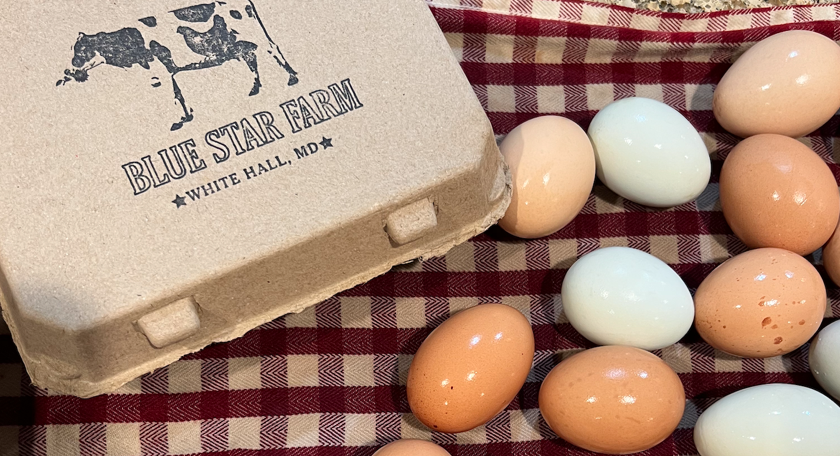
We love LOCALLY SOURCED, fresh, farm to table foods that are pure. We love Dairy Farmer Carrie from Blue Star Farms, (@blue_star_farm on Insta) if you’re local to the Baltimore County Area. We get milk, eggs, cheese, meat, blueberries, sourdough and more from her!
Support local farmers and their families while supplying your own family with higher quality fresh food items.
List of Local Baltimore Farmers Markets
When we cave and eat Mac & Cheese, we do this:
I use an organic, grass-fed, Mac & Cheese box, add extra nutrients by boiling the noodles in either a low sodium vegetable stock, beef stock, or mushroom stock, or any combination of the three. In the blender I combine the powdered cheese pack with a bunch of broccoli, mushrooms, locally sourced cheese, any other veggies we have in the fridge and locally sourced milk. My kids eat this up (and so do I!).
So now what?
1 – Find a local Farmers Market for farm fresh food. Small farms are more likely to take better care of their soil and animals, resulting in more nutrient dense food. You’ll also be supporting your local economy, community, and environment by buying local.
2 – If you want to learn more about the Essential Meal Protein (Chocolate, Vanilla, or Coffee flavored), the Daily Greens, or anything else that my family uses from Arbonne, let’s chat! Email me at caseyoconnorkelly@gmail.com, find me on Insta, or text me if you know me 🙂
3 – Pay attention to the ingredient labels, try to stay away from quick easy processed foods when you can. Avoid canola oils, added sugars, and basically anything that has a TV commercial! If you’re looking to fuel or reset your adult body, check out the 30 Days to Healthy Living Program or the 7 Day Fresh Start program for guides, support, and recipes.
I’m here for you!







 caseyoconnorkelly.com
Leave a comment